The Mechanics of Convergence
By now, the pattern is visible.
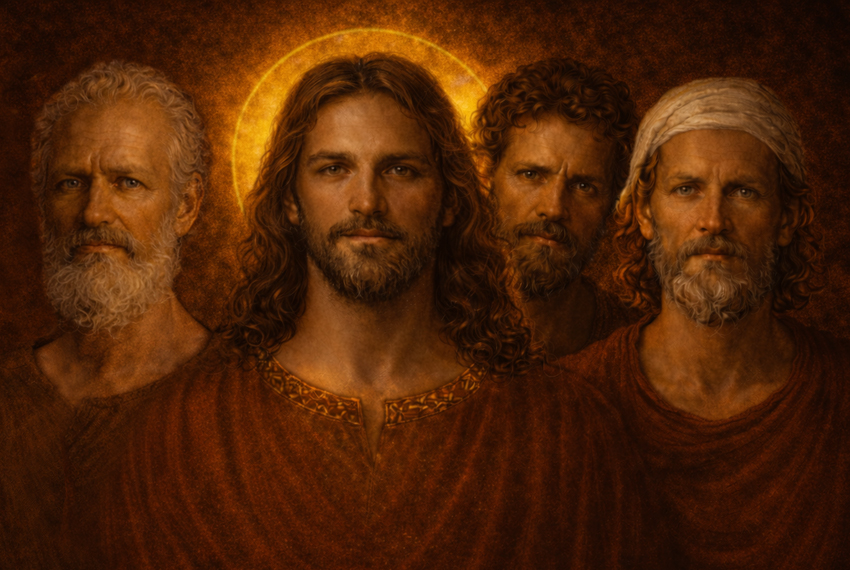
Not one stream—
but three:
- Yohanan → prophetic
- Yehuda → revolutionary
- Yakov → institutional
The question is no longer if they converge.
The question is:
How?
Not Recording—Composing
The Gospels are often read as records.
But they behave like compositions.
They do not preserve a single continuous biography.
They organize:
- sayings
- actions
- roles
- expectations
Into a coherent narrative.
The Problem They Faced
After 70 CE, the situation was unstable:
- leadership was gone
- Jerusalem was destroyed
- communities were scattered
- memory was fragmented
There was no longer a center.
So one had to be created.
The Solution: Narrative Unification
The Gospels solve this problem by doing something subtle but powerful:
They assign multiple roles to a single figure
Not randomly—
but systematically.
Layer One: The Prophet
From the Yohanan stream, the figure carries:
- urgency of repentance
- language of judgment
- wilderness authority
- ritual transformation
The voice that calls people to prepare.
Layer Two: The King
From the Yehuda stream, the figure carries:
- the language of “kingdom”
- confrontation with authority
- execution by Rome
- the charge: King of the Jews
The voice that challenges power.
Layer Three: The Lawgiver
From the Yakov stream, the figure carries:
- ethical instruction
- interpretation of law
- concern for community
- continuity with tradition
The voice that stabilizes.
One Body, Multiple Functions
These are not blended into something vague.
They are stacked.
The same figure can:
- speak like a prophet
- act like a revolutionary
- teach like a lawgiver
Sometimes in the same chapter.
Why It Feels Contradictory
Because it is.
And it has to be.
You are not reading one consistent personality.
You are reading:
compressed authority
The Art of Compression
To make this work, the texts employ a set of narrative strategies:
- Sequencing
Different roles appear at different moments. - Reframing
Potentially conflicting elements are softened or redirected. - Attribution
Sayings from different contexts are placed in one voice. - Absorption
Parallel figures are reduced, redirected, or integrated.
Parallel figures are reduced, redirected, or integrated.
The Case of Yohanan
He cannot be removed.
So he is reframed:
- not a rival
- not a parallel authority
But a forerunner
The Case of Revolution
It cannot remain explicit.
So it is transformed:
- “kingdom” becomes layered
- confrontation becomes symbolic
- execution remains—but is reinterpreted
The Case of Yakov
His authority cannot dominate the narrative.
So it is redistributed:
- law becomes teaching
- leadership becomes voice
- structure becomes ethic
The Result
A single figure capable of carrying:
- prophecy
- kingship
- law
Not sequentially—
but simultaneously.
Why This Worked
Because communities did not need a perfect biography.
They needed:
- continuity
- coherence
- survivability
The fused figure provides all three.
What This Explains
Suddenly, long-standing problems become intelligible:
- Why Jesus sounds different in different passages
- Why the Gospels diverge
- Why tensions are never fully resolved
- Why multiple expectations coexist
These are not errors.
They are compression artifacts.
A Different Way to Read
Instead of asking:
“What did Jesus really say?”
We ask:
“Which stream is speaking here?”
Instead of forcing consistency—
we trace convergence.
The Claim, Now Visible
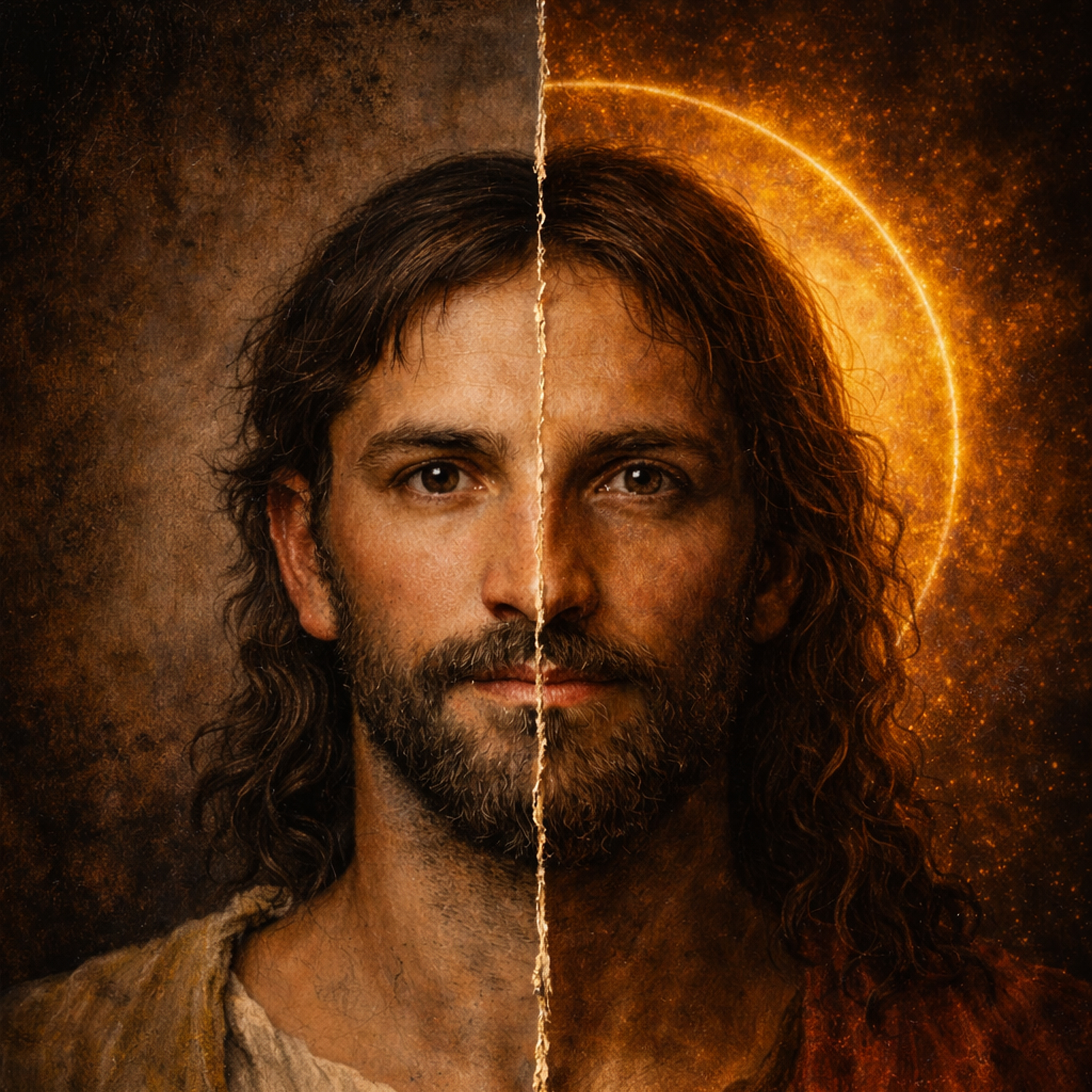
The Gospels did not invent a figure out of nothing.
They stabilized something that already existed:
multiple streams of authority,
merged into one narrative identity
What Comes Next
If the fusion is real—
then the contradictions are not problems to solve.
They are signals to decode.
In the next phase, we begin reading the texts differently.
Not as broken biographies—
but as layered compositions.
And once you see the layers—
you cannot unsee them.
 © Yeshua Before Christ