The One Who Stayed in Jerusalem
Not everyone left.
Not everyone resisted.
Not everyone went into the wilderness.
One figure remained at the center—
in Jerusalem.
The Brother
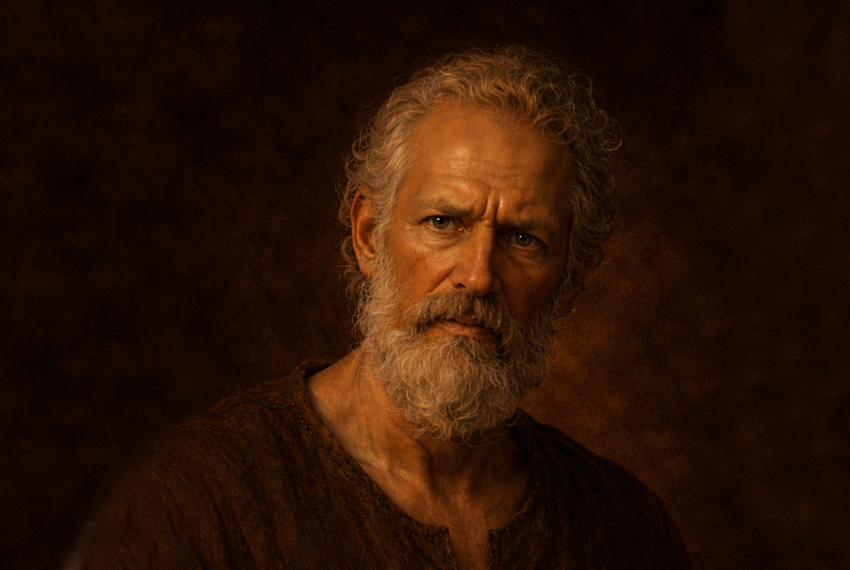
His name was Yakov—known later as James the Just.
He is remembered not as a wanderer or a rebel—
but as a leader.
A stabilizer.
A Different Kind of Authority
Yakov did not build a movement in opposition.
He held one together.
In a world increasingly unstable, his authority was:
- legal
- communal
- continuous
Rooted in Torah.
Rooted in practice.
Rooted in Jerusalem itself.
The Center That Held
While others moved outward—
Yakov stayed.
At the Temple.
At the heart of Jewish life.
He became the anchor of the early community.
Not through spectacle—
but through legitimacy.
Respected Beyond His Own
Even outside his movement, Yakov was known for:
- strict observance
- moral authority
- consistency
He was not marginal.
He was recognized.
A Tension in the Sources
Later texts struggle to position him.
He is:
- present, but not central
- authoritative, but not dominant
- acknowledged, but not fully elevated
Why?
Because his role is difficult to compress into a single narrative dominated by another figure.
The Jerusalem Axis
What Yakov represents is something distinct:
- continuity with the law
- continuity with tradition
- continuity with place
Not transformation.
Not rupture.
But preservation.
Then Comes the Break
As the movement spreads beyond Judea—
something shifts.
Authority begins to move away from Jerusalem.
From law.
From Yakov’s model of leadership.
Two Directions
We begin to see divergence:
- A Jerusalem-centered, Torah-observant community
- A growing, translocal movement expanding outward
This is not a minor disagreement.
It is a difference in structure and identity.
After 70 CE
When Jerusalem falls—
Yakov’s world collapses with it.
The center is gone.
The Temple is gone.
The structure he represented cannot continue in its original form.
What Could Not Survive Alone
Yakov’s model depended on:
- place
- continuity
- institutional presence
Without these, it cannot stand independently.
But it does not disappear.
What Survived
Within the later tradition, we still find Yakov’s imprint:
- ethical rigor
- concern with law
- emphasis on practice
- communal structure
These are not additions.
They are inheritances.
The Third Stream
Within the unified figure, Yakov becomes:
the institutional and ethical stream
- The voice that stabilizes
- The voice that organizes
- The voice that preserves
The Convergence
Now the pattern is complete:
- Yohanan → prophetic
- Yehuda → revolutionary
- Yakov → institutional
Three distinct authorities.
Three distinct movements.
One Figure
After collapse, these do not remain separate.
They cannot.
To survive, they must be carried forward together.
And so they are.
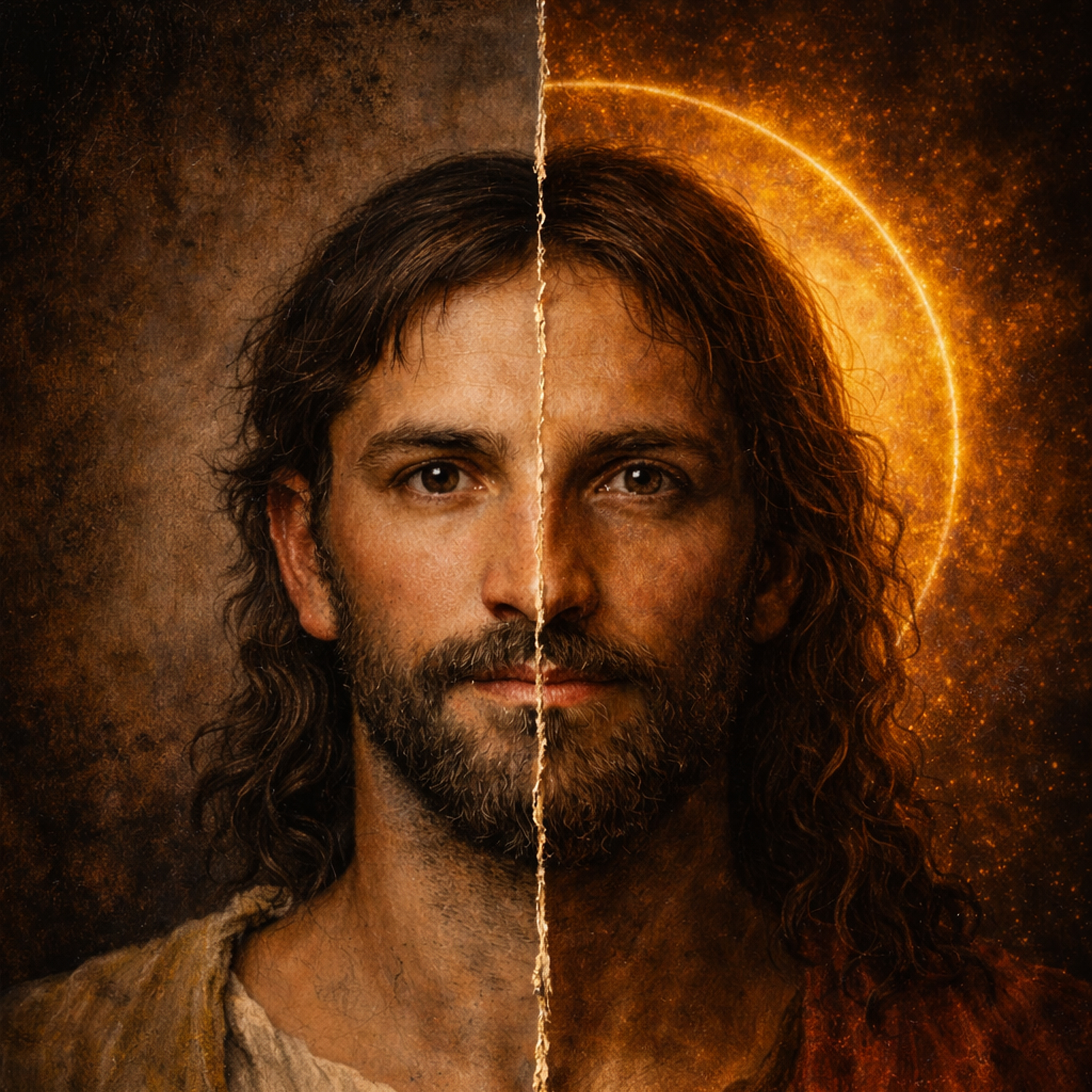
What We Call Christ
The figure that emerges is capable of holding:
- prophetic urgency
- revolutionary tension
- ethical and legal continuity
Not because one man contained all of these perfectly—
but because multiple traditions were fused into one identity.
What Comes Next
If the streams are now visible—
the next question is unavoidable:
How were they fused?
How do multiple movements become one narrative?
How does memory compress?
How does identity stabilize after collapse?
That is where we turn next.
 © Yeshua Before Christ