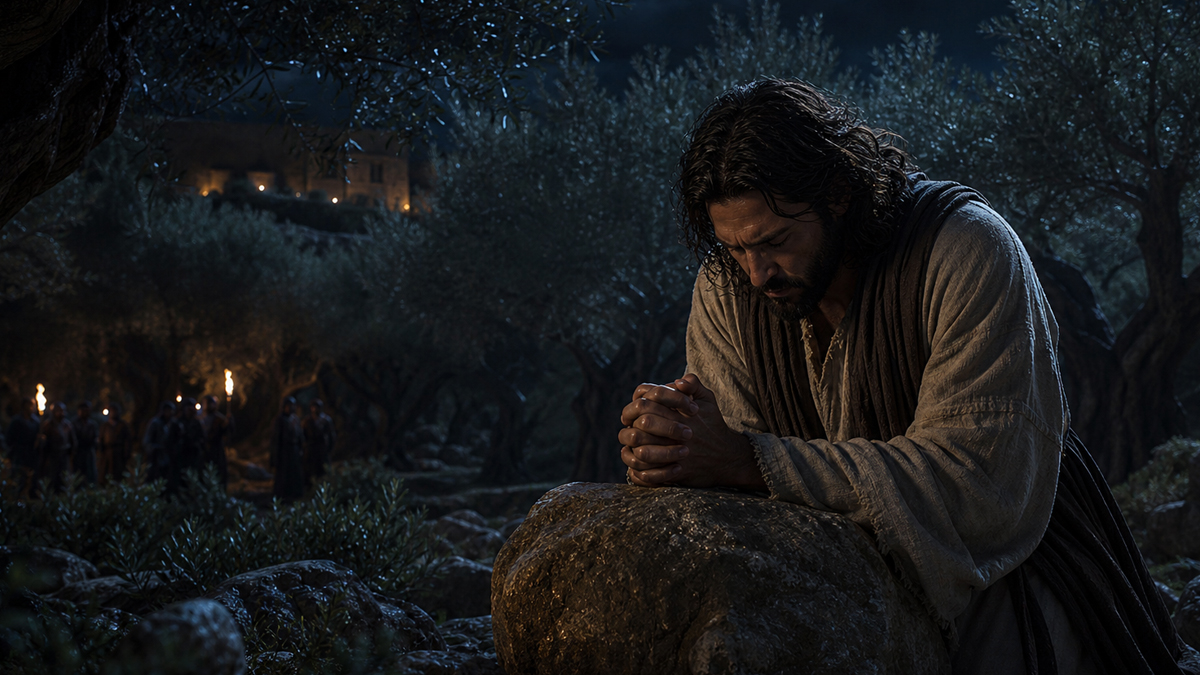
The symbolic and geographical patterns surrounding Jesus’ final days in Jerusalem may deserve even greater attention than they often receive within modern historical reconstruction. When viewed individually, certain actions preserved in the gospel traditions can appear ambiguous or merely devotional. But when viewed collectively against the prophetic framework of the Book of Zechariah, a more coherent symbolic logic begins to emerge.
The traditions surrounding Jesus’ entry into Jerusalem on a foal strongly echo Zechariah 9:9, where a humble king enters the city while announcing divine kingship and peace. At the same time, Zechariah 14 associates the final divine confrontation with Jerusalem, the Mount of Olives, and the Feast of Tabernacles (Sukkot), portraying an eschatological moment in which God intervenes directly within history against the nations gathered around the city. These traditions appear to have remained deeply embedded within Jewish apocalyptic imagination during the first century.
This does not mean that every detail preserved in the gospel narratives must be treated as straightforward historical reportage, nor does it require the conclusion that Jesus consciously attempted to fulfill prophecy in a simplistic or theatrical sense. Such modern categories may themselves be misleading. Jesus may have operated within an apocalyptic-symbolic worldview in which scriptural reenactment, prophetic action, and divine expectation were understood as genuine participation within unfolding sacred history. Within the symbolic world of apocalyptic Judaism, scriptural reenactment, prophetic symbolism, and sacred history were deeply intertwined. Symbolic participation within prophetic tradition could be understood not as artificial imitation, but as genuine involvement within unfolding divine history.
Seen within this broader framework, several otherwise difficult features of the Jerusalem narratives begin to acquire greater historical coherence. The entry into Jerusalem, the focus on the Mount of Olives, the Temple confrontation, the atmosphere of escalating expectation, the gathering of crowds during a major festival, and even the ambiguous presence of swords among the disciples all appear less random when understood within a wider apocalyptic-symbolic environment shaped by prophetic expectation.
This may also help explain why the movement appears simultaneously nonmilitary and politically dangerous. The surviving traditions preserve little evidence of systematic revolutionary organization, strategic planning, or sustained armed preparation. Yet symbolic prophetic action itself could become destabilizing within the volatile conditions of Roman Judea. Figures such as Theudas demonstrate that movements grounded in sacred reenactment and divine expectation could still provoke decisive Roman suppression even without functioning as conventional military insurgencies.
Within such an environment, Jesus may not have envisioned political transformation primarily through organized warfare, but through imminent divine intervention expected to emerge through prophetic confrontation and sacred fulfillment.
The logic governing the movement may therefore have been apocalyptic rather than strategic.
The final days in Jerusalem begin to look less like the collapse of a failed military revolt and more like the escalation of a prophetic-apocalyptic movement operating within a symbolic scriptural world that many contemporaries may have recognized immediately.
If so, then the final crisis surrounding Jesus may have emerged not from the contradiction between peaceful teaching and political danger, but from the unstable convergence of both within the apocalyptic realities of first-century Judea.
Interested in the sources behind this study?
Our research draws upon a broad range of primary sources, historical scholarship, and modern academic studies. Rather than repeating bibliographies for each individual article, we have gathered the sources used across our research in one consolidated bibliography. Explore the Complete Research Bibliography →