WRITINGS

The Kingdom of God: From Covenant to Civilization
This historical and interpretive study of one of the central ideas in the teachings of Jesus—the Kingdom of God—traces the concept from ancient Near Eastern traditions through Israel’s creation narratives, covenant, law, kingship, exile, and prophetic tradition, asking how Jesus understood divine rule within the world he inherited. Part II carries that moral framework into the modern world, exploring what it reveals about human dignity, freedom, justice, authority, wealth, responsibility, and the common good. Rather than offering a political program, this study asks a deeper question: What happens when an ancient vision of life under divine sovereignty is brought into conversation with the civilization we have built.
Older Posts (Newest to Oldest)
-
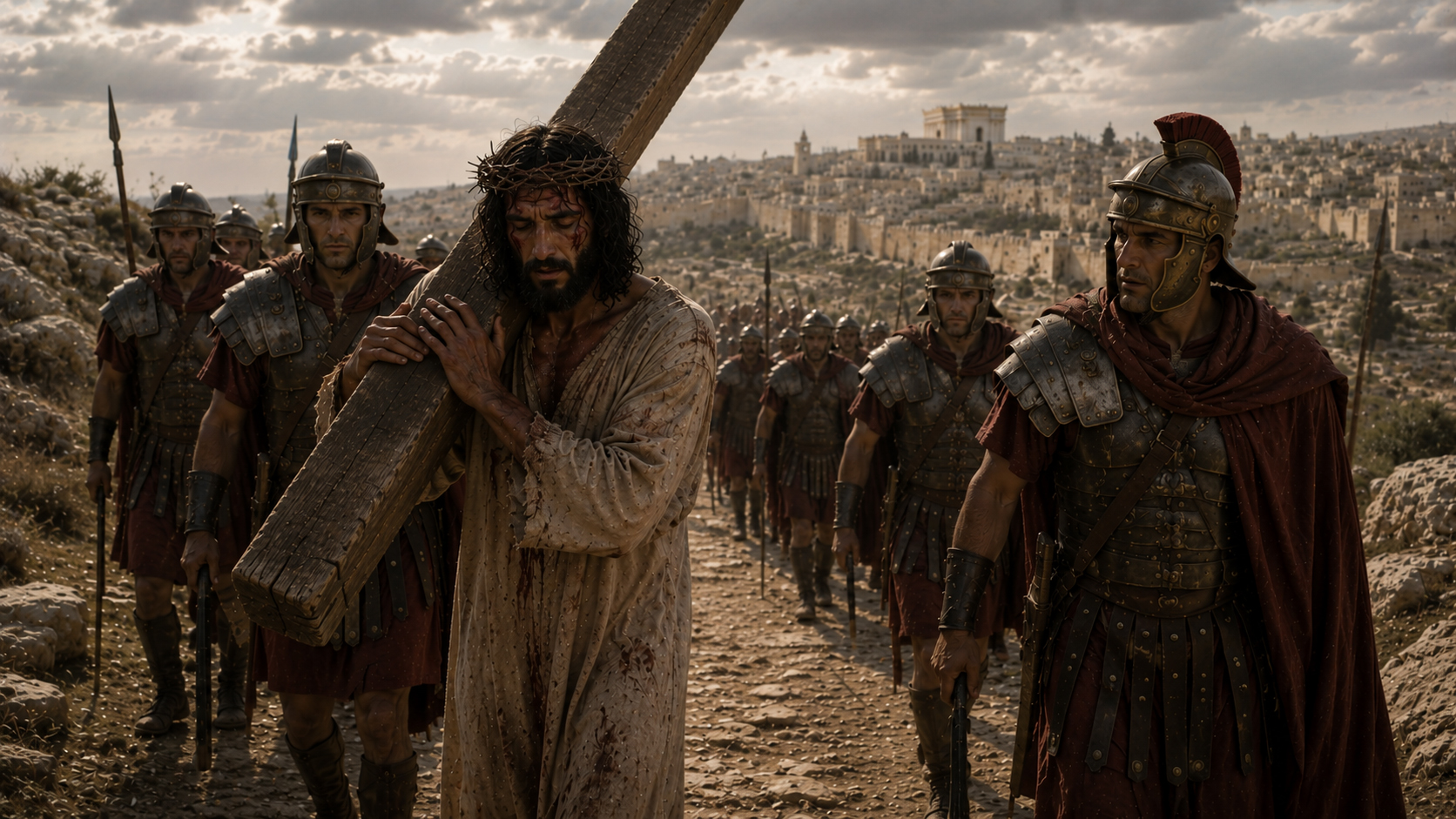
Chapter 12 – From Prophetic Action to Crucifixion
The crucifixion emerges as the culmination of a broader prophetic pattern visible throughout first-century Judea. Like Yohanan, Theudas, and the Egyptian, Yeshua combined symbolic action, sacred geography, and public expectation in ways that unsettled authorities. The road from Galilee to Golgotha was not accidental but the logical outcome of a mission increasingly defined by prophetic reenactment and performative eschatology.
-
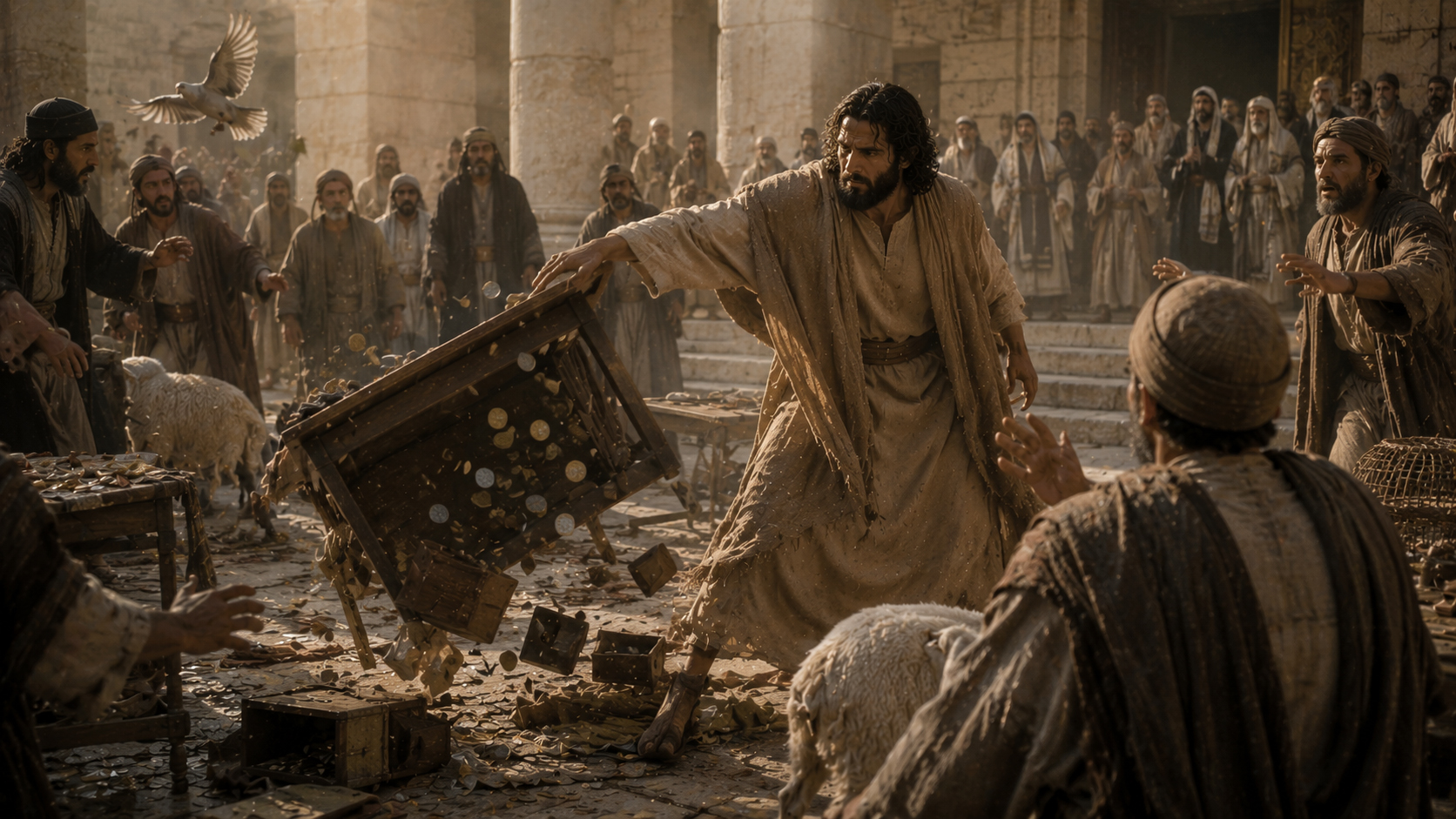
Chapter 11 – The Temple Demonstration
The Temple demonstration represents the clearest expression of prophetic confrontation within Yeshua’s public ministry. Rather than an attempt to seize power, the action functions as a symbolic enactment of judgment upon an order perceived as compromised. Sacred geography, prophetic symbolism, and apocalyptic expectation converge in a dramatic public performance that brings Yeshua into direct conflict with existing authority.
-
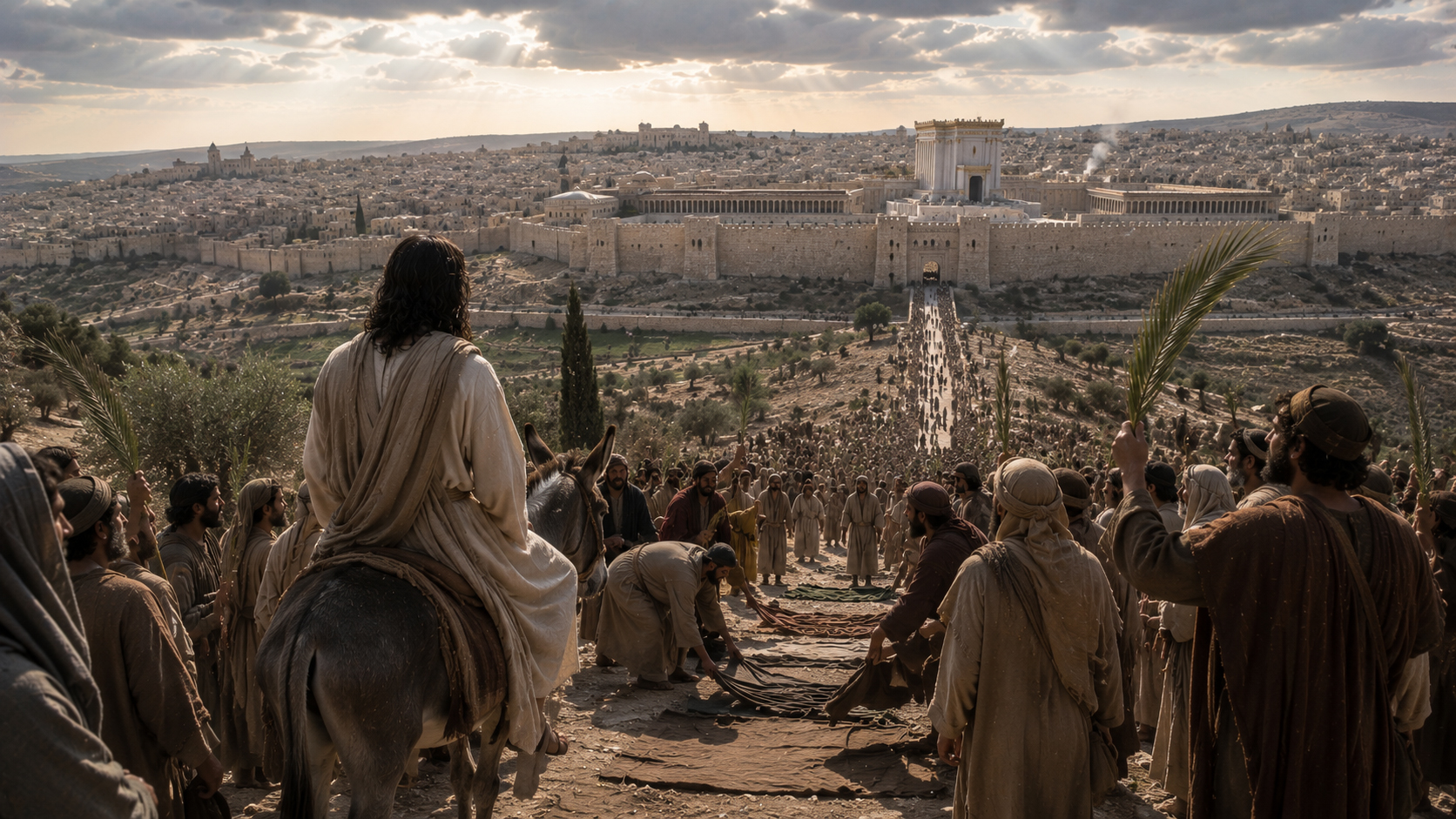
Chapter 10 – Zechariah and the Symbolic Entry
Yeshua’s entry into Jerusalem on a donkey exemplifies performative eschatology in action. Drawing upon Zechariah’s prophetic vision, the event functions as an enacted proclamation rather than a simple declaration. Through symbolic reenactment, Yeshua publicly participates in the sacred reality he proclaims, transforming prophetic expectation into visible action at the symbolic heart of Israel’s world.
-
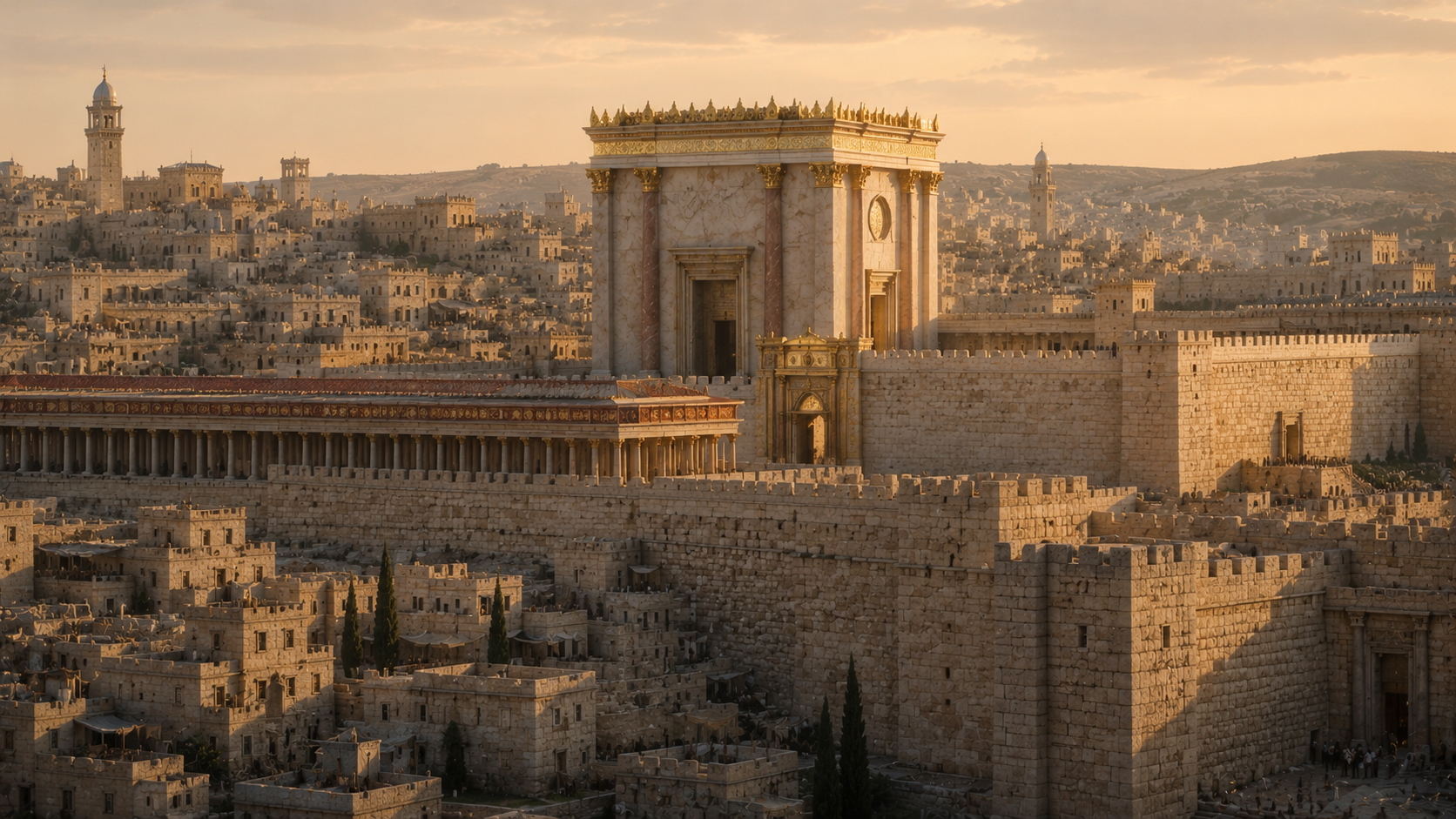
Chapter 9 – Jerusalem and the Final Mission of Yeshua
The journey from Galilee to Jerusalem marks the convergence of ethical transformation and prophetic activism. As Yeshua moves toward the symbolic center of Jewish life, sacred geography, public demonstration, and scriptural reenactment increasingly dominate the narrative. Jerusalem becomes the place where the study’s major themes—covenant, crisis, apocalyptic expectation, and performative eschatology—ultimately converge.
-

Chapter 8 – The Baptism as a Turning Point
Yeshua’s baptism by Yohanan may represent the decisive turning point in his historical development. What began as a movement focused on ethical adaptation appears increasingly shaped by apocalyptic urgency and prophetic vocation. Beneath the Gospel symbolism of Spirit, dove, and heavenly voice may stand the memory of a transformative experience that redirected Yeshua’s mission toward Jerusalem and public action.
-

Chapter 7 – Fatalism, Martyrdom, and Divine Intervention
Prophetic movements often confronted overwhelming political realities because they believed history ultimately belonged to God. Apocalyptic expectation transformed attitudes toward suffering, persecution, and death, allowing apparent failure to be interpreted as fidelity within a larger divine drama. Martyrdom and sacrifice became meaningful acts of participation in God’s unfolding purposes rather than simple signs of defeat.
-
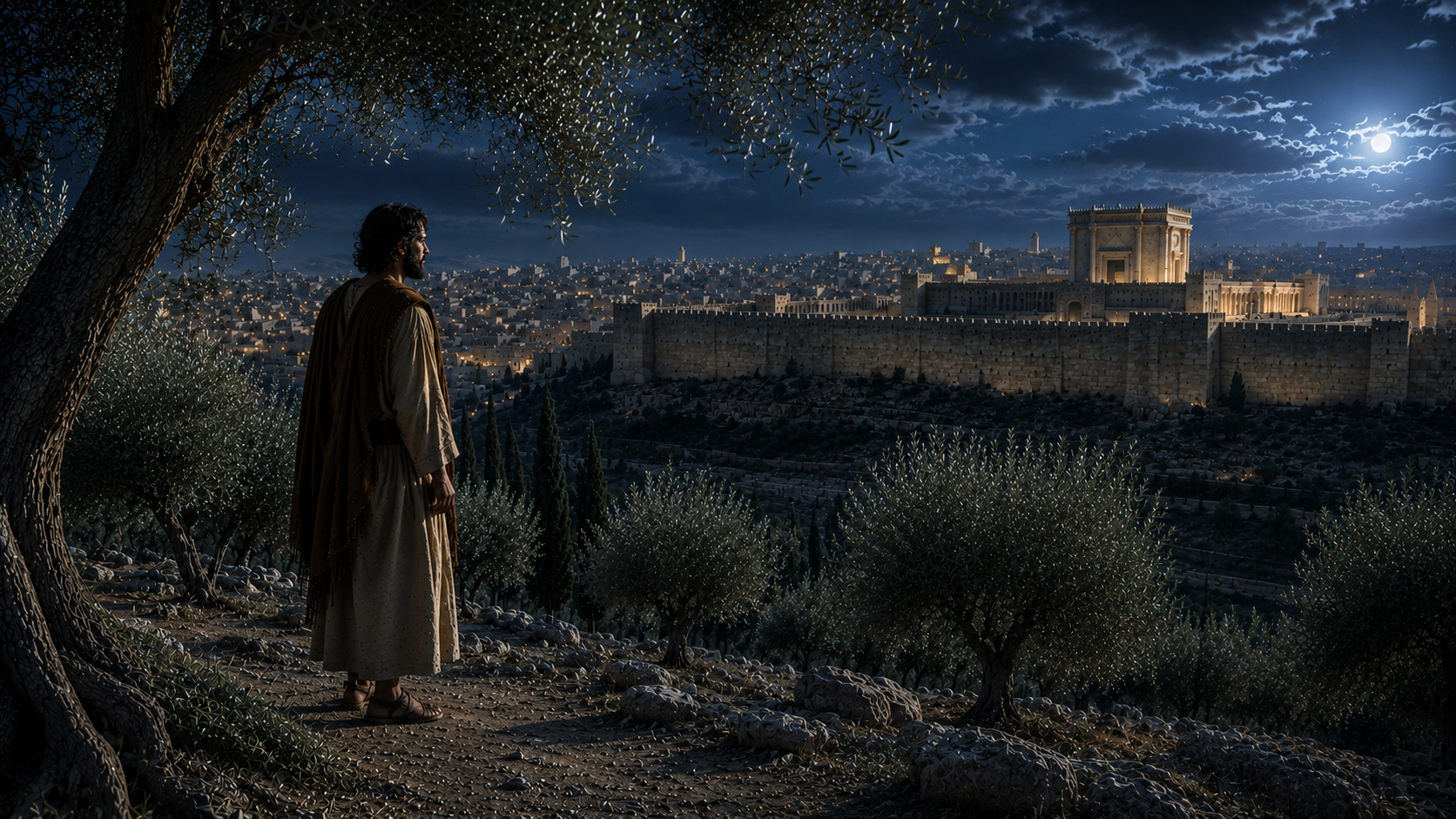
Chapter 6 – Sacred History, Sacred Geography, and Symbolic Action
The Jordan, the wilderness, the Mount of Olives, and Jerusalem were more than locations; they were sacred spaces embedded within Israel’s collective memory. Prophetic movements repeatedly gravitated toward these places because they connected scriptural history with future expectation. Sacred geography provided the symbolic stage upon which prophetic actions acquired meaning, transforming landscape itself into a participant within sacred history.
-

Chapter 5 – Performative Eschatology and the Psychology of Sacred Action
This study introduces the concept of performative eschatology: the belief that symbolic actions could participate in, anticipate, or help actualize divine transformation. Prophetic reenactments were not merely illustrations of sacred history but meaningful acts of participation within it. This framework helps explain why figures such as Yohanan, Theudas, and Yeshua translated apocalyptic expectation into public symbolic action.
-

Chapter 4 – Josephus, Theudas, the Egyptian, and the Recurring Prophetic Pattern
Theudas and the Egyptian reveal that prophetic movements were widespread in first-century Judea. Gathering followers at locations rich with scriptural significance, these figures reenacted sacred traditions while anticipating divine intervention. Their movements demonstrate a recurring pattern of symbolic action, sacred geography, and collective expectation that provides important historical context for understanding the final mission of Yeshua.
-
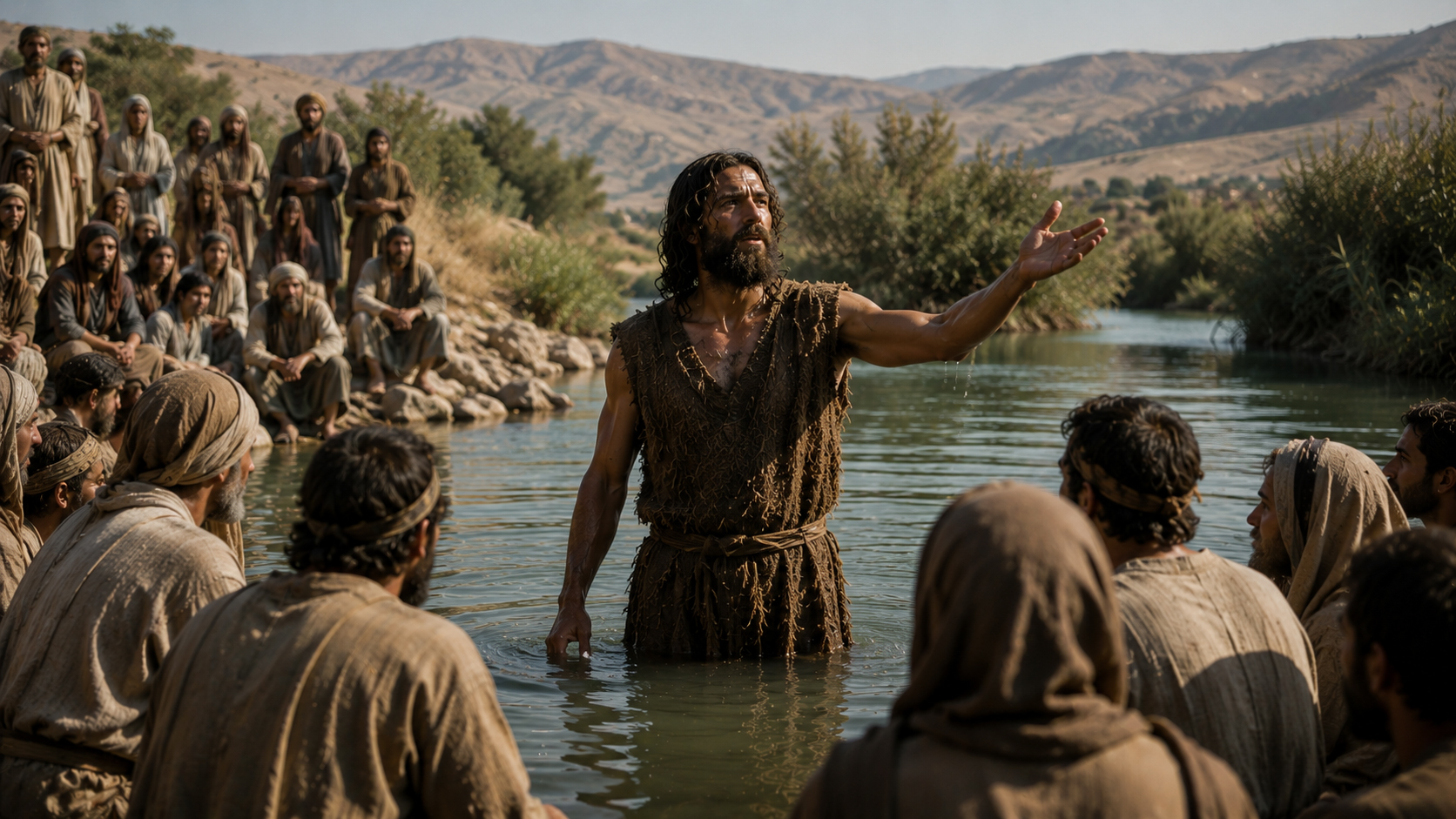
Chapter 3 – Yohanan and the Emergence of the Apocalyptic-Prophetic Pattern
Yohanan’s ministry at the Jordan combined wilderness symbolism, covenant renewal, public ritual, and expectation of imminent divine intervention. His baptismal movement drew crowds into a symbolic reenactment of Israel’s sacred history while proclaiming approaching judgment and restoration. More than a religious reformer, Yohanan represents the earliest clear expression of a recurring apocalyptic-prophetic pattern that would profoundly influence Yeshua.Yohanan’s ministry at the Jordan combined wilderness symbolism, covenant renewal, public ritual, and expectation of imminent divine intervention. His baptismal movement…
-

Chapter 2 – The Earliest Galilean Jesus Movement: Ethical Adaptation and Communal Reconstruction
Before the dramatic events in Jerusalem, the earliest Jesus tradition may have emphasized ethical adaptation and communal reconstruction. Teachings centered on generosity, humility, mutual dependence, and alternative social relationships offered a way to preserve dignity and covenantal identity within a troubled world. This Galilean response focused less on confrontation and more on embodying the kingdom through transformed communal life.
-

Chapter 1 – Crisis, Covenant, and the World of Yeshua and Yohanan
Roman domination created profound religious, economic, and political tensions throughout Galilee and Judea. Different Jewish groups responded through accommodation, legal observance, separatism, resistance, or prophetic expectation. As covenantal anxiety intensified and hopes for divine intervention grew, charismatic prophetic figures emerged. Understanding this volatile environment is essential for understanding both Yohanan the Baptist and the movement that would eventually form around Yeshua.
Yeshua before christ
The Making of the Christian Messiah
This work asks not whether faith matters, but how history becomes sacred, how memory becomes narrative, and how men become gods.
YbC is not an attempt to destroy faith, but to recover the human struggle, political fracture, prophetic memory, and historical trauma from which the figure of Christ emerged.

© Yeshua Before Christ